Make Your Home Smarter, One Step at a Time

Table of Contents
Introduction
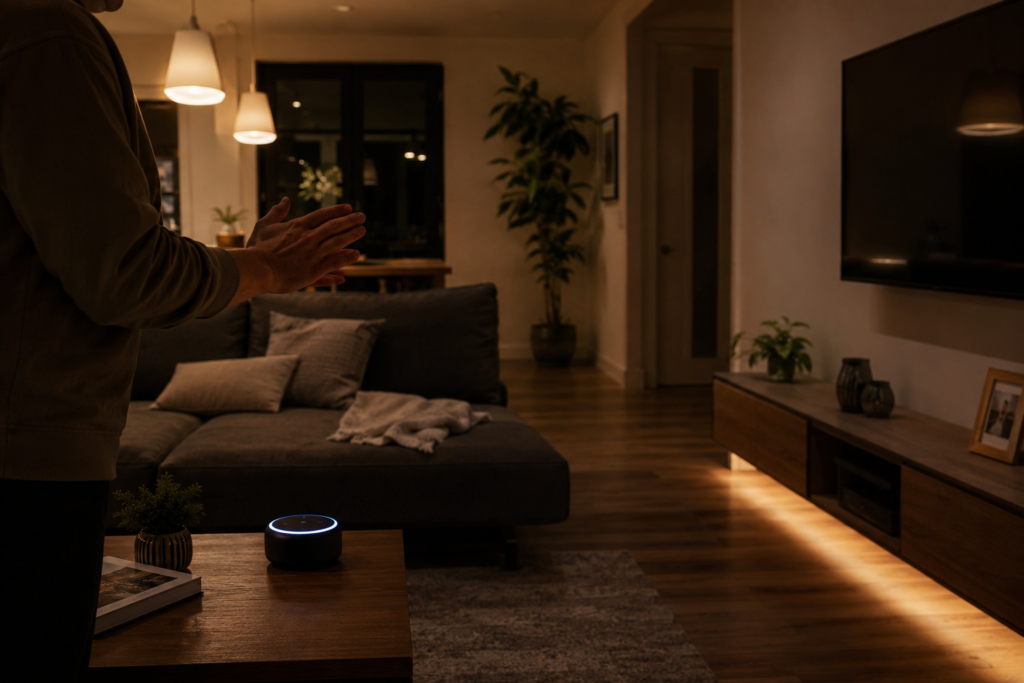
I still remember the moment I walked into my living room, clapped twice, and the lights turned off. It felt ridiculous — in the best possible way. Two months earlier, I had no idea where to start with home automation. It all seemed expensive, complicated, and honestly a little unnecessary.
But here’s the thing: getting started with a smart home doesn’t have to cost a fortune or require an IT degree. The right affordable smart home starter kit can transform your daily routine with just a few plug-and-play devices. Whether you want to save on energy bills, boost your home security, or simply make life more convenient — this guide has everything you need to begin.
Let’s break it all down, step by step.
Settings saved.
What Is a Smart Home Starter Kit?
An affordable smart home starter kit is a bundle of connected devices that work together to automate tasks around your home.
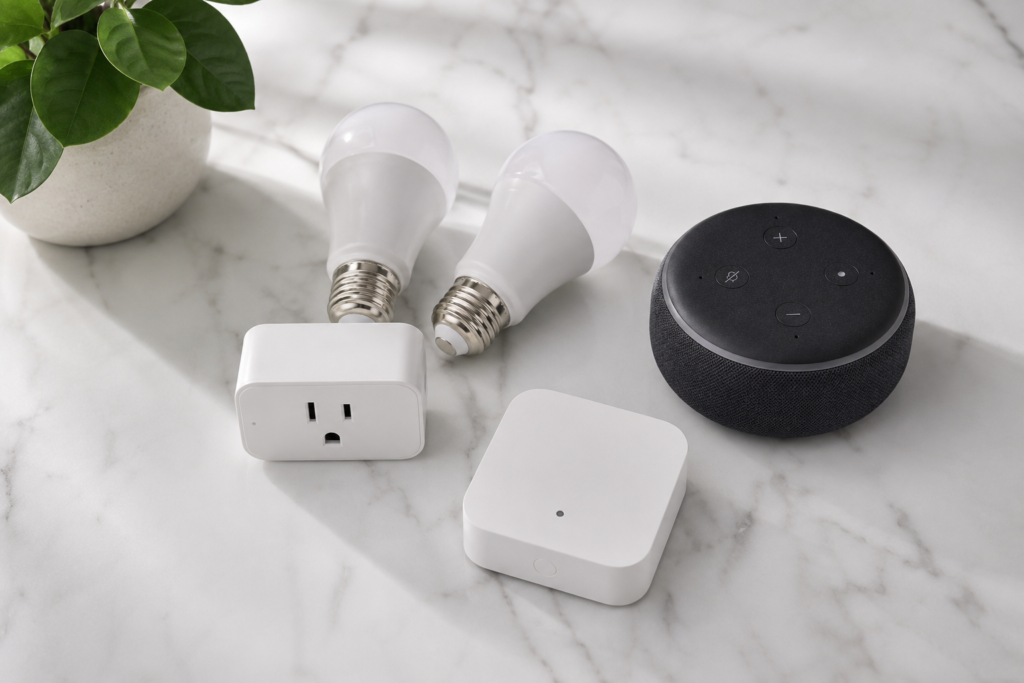
Think smart bulbs, a central hub, a voice assistant, and sometimes a smart plug or two — all packaged to get you started without needing to buy items separately.
The beauty of an affordable smart home starter kit is that everything is pre-tested for compatibility. You don’t have to guess whether your bulbs will talk to your thermostat. The ecosystem is already built for you.
Most kits are designed for people who have zero technical background. If you can set up a Wi-Fi router, you can set up a smart home
Why Choose an Affordable Smart Home Starter Kit?
was true five years ago. Today? Not at all.
Here’s why more homeowners and renters are choosing an affordable smart home starter kit:
- Lower energy bills — Smart thermostats and plugs can cut electricity usage by 10–15%
- Better security — Motion sensors and smart locks add a real layer of protection
- Convenience — Automate lights, appliances, and routines with your voice or phone
- Flexibility — Start small and expand as your budget grows
- Resale value — Smart home features are increasingly attractive to home buyers
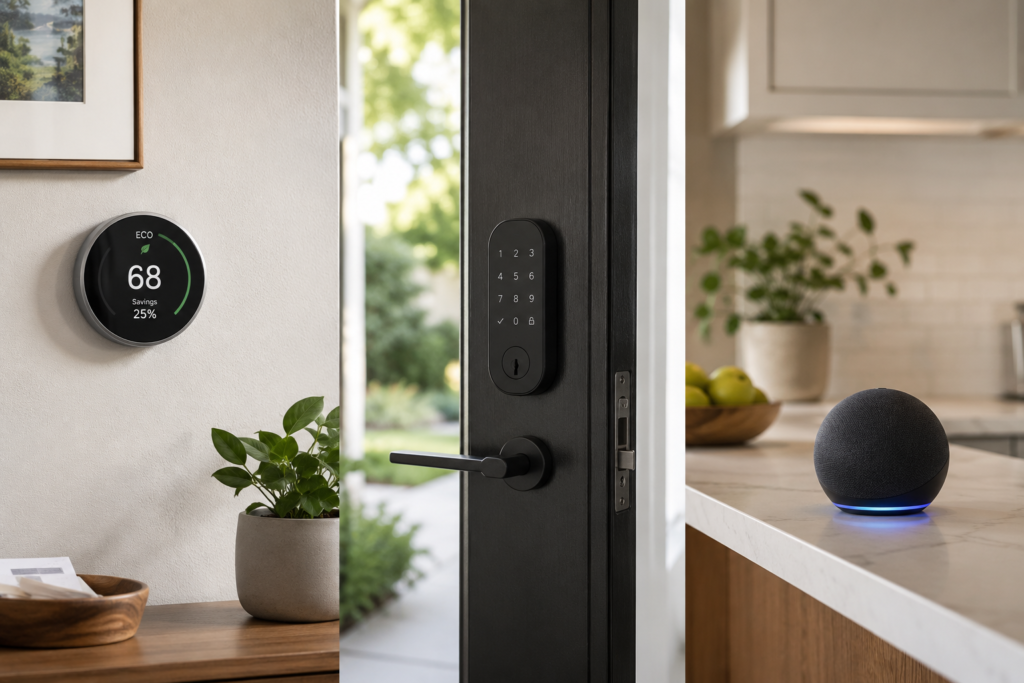
The shift toward affordable smart home automation means you can now build a functional setup for under $100. That’s a game-changer
What to Look for in an Affordable Smart Home Starter Kit
Before you open your wallet, it’s worth knowing what separates a solid kit from a frustrating one.
Compatibility With Your Ecosystem
The first question to ask: do these devices work with what you already own?
Most starter kits are built around one of three ecosystems:
- Amazon Alexa — Best for budget-friendly options and wide device support
- Google Home — Excellent for Android users and Google Nest integration
- Apple HomeKit — Best for iPhone users who want strong privacy and reliability
Mixing ecosystems is possible but can create headaches. Pick one and stick to it, at least at the beginning.
Ease of Setup
Look for kits labeled “no hub required” if you want the simplest experience. These devices connect directly to your Wi-Fi, so there’s no extra hardware to configure. Hub-based systems (like Philips Hue’s bridge) offer more reliability and range but add a small setup step.
Expandability
The best starter kits are just that — a start. Make sure the brand you choose has a wide range of compatible accessories. You want room to grow without switching platforms.
App Quality and Support
A smart home is only as smart as the app behind it. Read reviews specifically about the mobile app. Buggy apps can turn a great product into a daily frustration.
The Best Affordable Smart Home Starter Kits in 2025
Here are the top picks that balance price, performance, and ease of use — tested and recommended by real users.
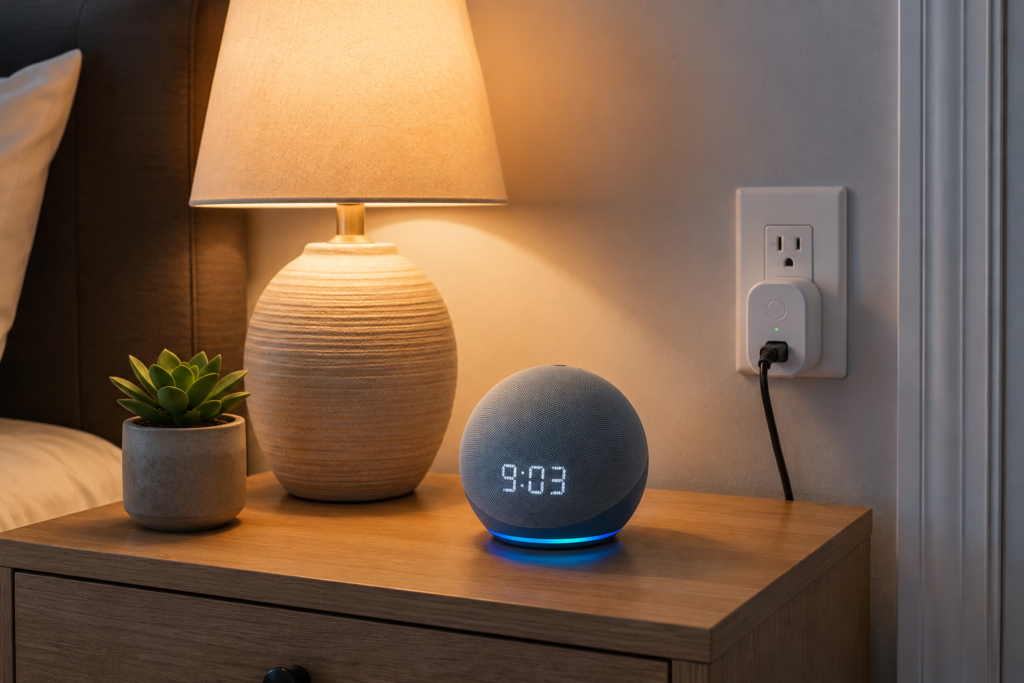
1. Amazon Echo Dot + Smart Plug Bundle
Best for: Absolute beginners
Approximate Price: $35–$50
This is the classic entry point. The Echo Dot gives you a voice assistant, and the included smart plug lets you control any lamp or appliance immediately. You don’t need any technical skills whatsoever.
What makes it shine: Alexa’s routine feature lets you automate multiple actions with a single command. Say “Alexa, good night” and it turns off your lights, locks your door, and sets your alarm — all at once.
Limitation: You’ll need to buy additional devices separately as you expand.
2. Google Nest Mini + Kasa Smart Plug Kit
Best for: Android users and Google ecosystem fans
Approximate Price: $45–$65
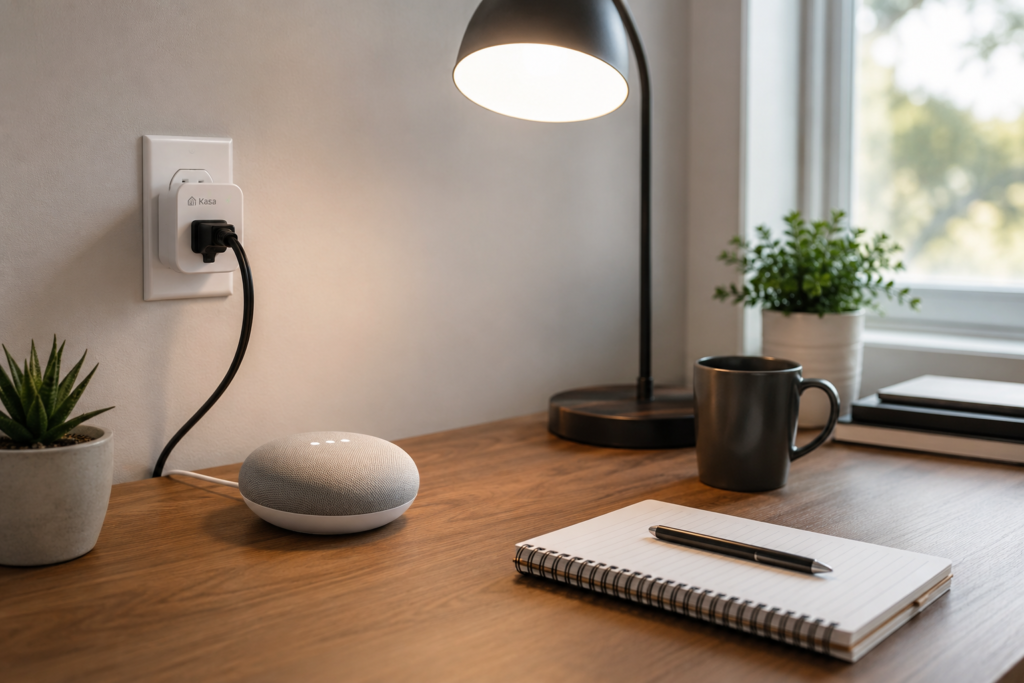
Google Nest Mini paired with TP-Link Kasa smart plugs is a powerhouse combo. Kasa devices are consistently ranked among the most reliable budget smart plugs on the market, and Google Assistant’s natural language understanding is impressive.
Real-life example: A teacher I know uses this setup to automatically turn on her desk lamp every morning at 6:45 AM. She hasn’t touched that switch in months.
3. Philips Hue Starter Kit (White Ambiance)
Best for: Lighting enthusiasts who want quality and range
Approximate Price: $70–$100
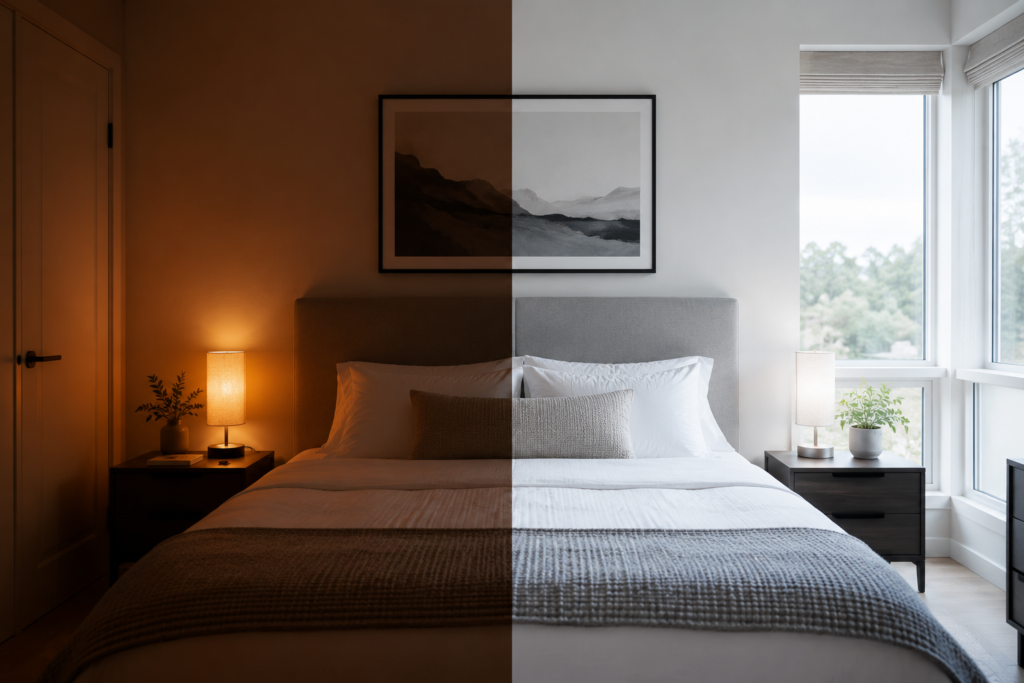
If lighting is your priority, Philips Hue remains the gold standard — even in its more affordable configurations. The White Ambiance starter kit comes with two or three bulbs and the Hue Bridge (hub).
You get precise color temperature control, which means warm light in the evening and bright cool light in the morning. This alone can improve your sleep and energy levels noticeably.
Pro tip: Wait for sales events. Hue kits regularly drop 20–30% during major retail events.
4. Govee Smart Lighting Starter Kit
Best for: Renters and creatives on a budget
Approximate Price: $25–$50
Govee has become a crowd favorite for affordable, color-rich smart lighting. Their strip lights and bulbs work with both Alexa and Google Home, and their app is surprisingly polished.
This is a great option if you want aesthetic lighting — think backlit TV panels, under-bed LED glow, or accent shelves — without spending a lot.
5. Wyze Starter Bundle (Bulbs + Plug + Camera)
Best for: Budget-conscious homeowners who want security too
Approximate Price: $50–$80
Wyze punches well above its price point. Their starter bundles often include a smart bulb, a smart plug, and a basic security camera — giving you lighting automation and home monitoring in one purchase.
The Wyze app has improved significantly and handles all devices in one clean interface. If you want a complete setup for under $80, this is hard to beat.
Common Mistakes People Make When Starting a Smart Home
I’ve seen (and made) these mistakes firsthand. Avoid them and you’ll save yourself a lot of time and money.
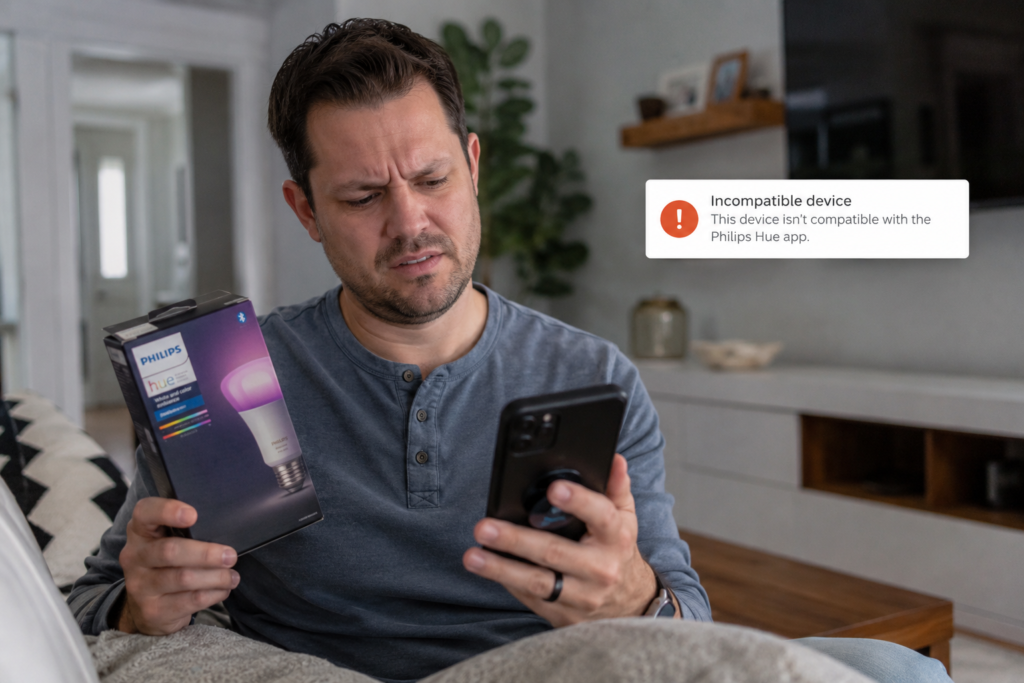
❌ Mistake 1: Buying Without Checking Compatibility
Buying a smart bulb that works with Alexa when you have Google Home is a beginner trap. Always check the box for ecosystem compatibility before purchasing.
❌ Mistake 2: Skipping the Wi-Fi Check
Smart devices need a stable 2.4GHz Wi-Fi signal. Many budget devices don’t support 5GHz. If your router is on the other side of the house, devices in the far bedroom might struggle to connect.
❌ Mistake 3: Going Too Big Too Fast
Buying a 10-device bundle when you’ve never used a smart plug before is overwhelming. Start with two or three devices. Get comfortable. Then expand.
❌ Mistake 4: Ignoring the App Reviews
Hardware can be great but the app experience ruins it. Before buying, search “[brand name] app review” and read what real users say. This takes five minutes and saves real frustration.
❌ Mistake 5: Forgetting About Privacy Settings
Smart devices collect data. Take ten minutes after setup to go into your app’s privacy settings and limit what gets shared. Most apps allow this — people just never check.
How to Set Up Your Affordable Smart Home Starter Kit
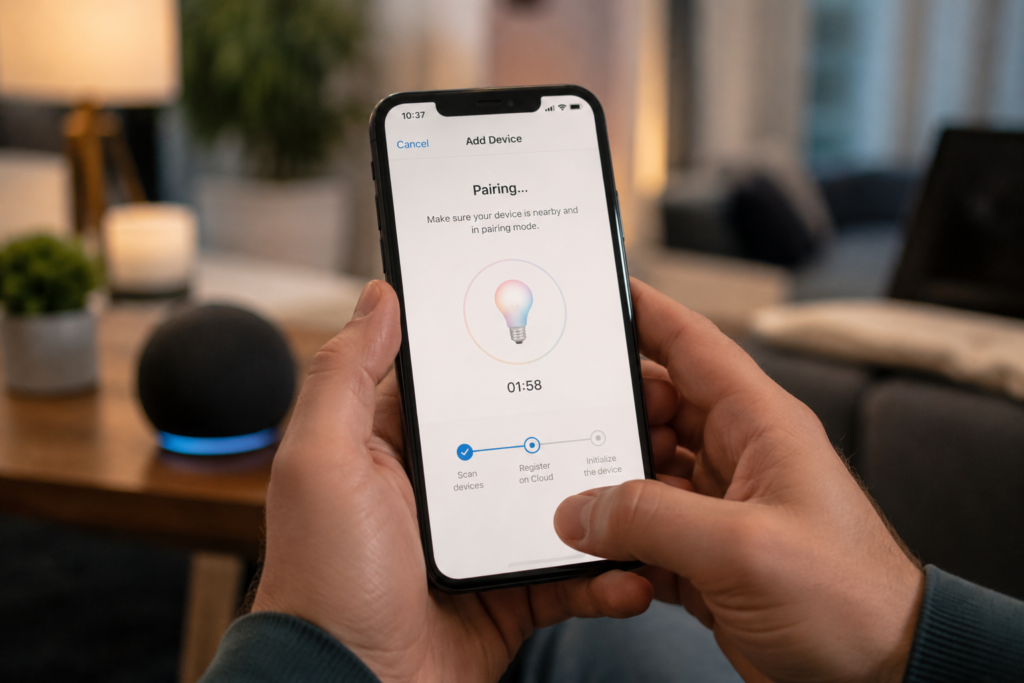
Setting up your first smart home kit is simpler than most people expect. Here’s a straightforward process:
- Choose your ecosystem (Alexa, Google Home, or Apple HomeKit)
- Download the official app for your kit brand
- Connect your hub or device to Wi-Fi — follow the in-app guide
- Add devices one by one — don’t rush, do it device by device
- Create your first automation — try something simple like “turn off lights at 11 PM”
- Link to your voice assistant — connect Alexa or Google Home through the app
- Test everything before calling it done
Most setups take 20–45 minutes total. If a device isn’t connecting, the fix is almost always moving it closer to your router.
Expert Tips for Getting the Most From Your Starter Kit
“Start with the problems you actually have, not the features that sound cool.”
— Common advice from smart home enthusiasts on Reddit’s r/homeautomation
Here are a few expert-level tips even beginners can apply:
- Use routines aggressively. Most smart home apps let you chain actions together. A well-designed morning routine (lights on, coffee maker starts, news brief plays) adds real quality-of-life value.
- Label your devices clearly in the app. “Living Room Lamp” is more useful than “Bulb 1.”
- Set a “vacation mode.” Many apps let lights turn on and off randomly while you’re away, making your home appear occupied.
- Check for firmware updates after setting up. Manufacturers regularly push performance and security improvements.
- Group your devices by room in your voice assistant’s app for easier multi-device control.
Affordable Smart Home Automation — Is It Worth It?
Let’s be honest: not every feature will change your life. But the right combination of devices absolutely will.
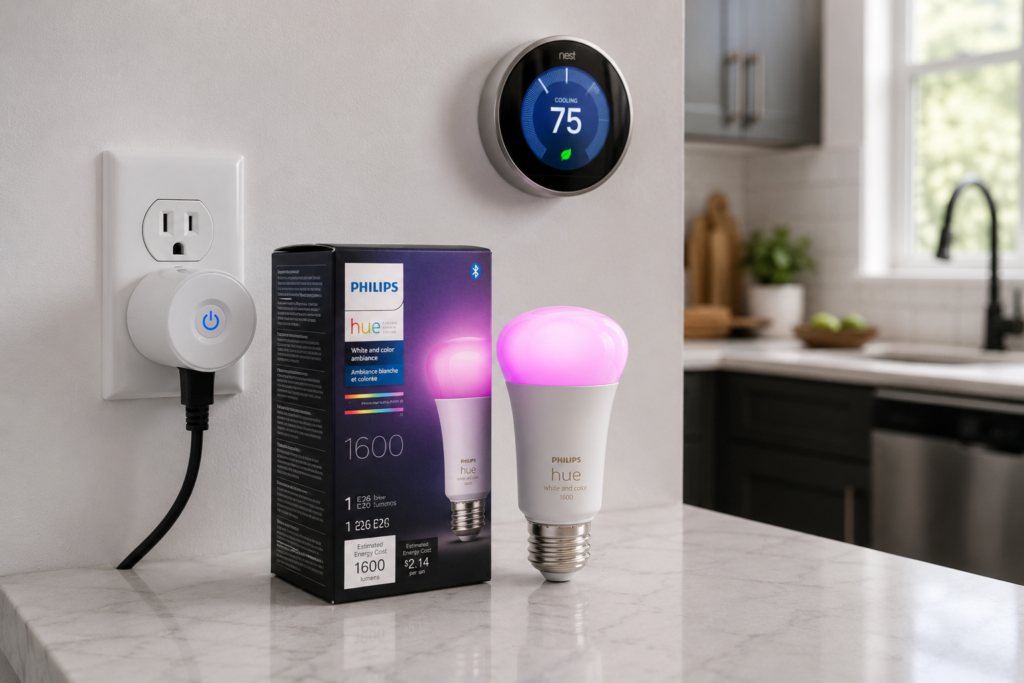
In my experience, the highest-value additions are:
| Device | Value | Effort to Set Up |
|---|---|---|
| Smart plug | ⭐⭐⭐⭐⭐ | Very Low |
| Smart bulb | ⭐⭐⭐⭐ | Very Low |
| Smart thermostat | ⭐⭐⭐⭐⭐ | Low–Medium |
| Smart security camera | ⭐⭐⭐⭐ | Low |
| Smart door lock | ⭐⭐⭐ | Medium |
Smart plugs and bulbs deliver the highest return on both money and convenience. Start there. Add a thermostat when you’re ready and you’ll likely recoup the cost in energy savings within a year.
FAQs About Affordable Smart Home Starter Kits
Q1: What is the cheapest way to start a smart home?
The cheapest entry point is a voice assistant speaker and one smart plug, which you can find bundled for under $40. This gives you voice control and the ability to automate one appliance immediately.
Q2: Do smart home devices work without the internet?
Most smart home devices require a Wi-Fi connection to function fully, especially for remote control and automation. Some hub-based systems (like Philips Hue) allow local control even when the internet is down, but this is the exception rather than the rule.
Q3: Is an affordable smart home starter kit good for renters?
Absolutely. Many smart devices — like bulbs, plugs, and strip lights — require no permanent installation. They’re completely renter-friendly and move with you when you leave.
Q4: How much does it cost to build a complete smart home?
You can build a functional basic smart home for $100–$200, covering lighting, a plug or two, and a voice assistant. A more comprehensive setup with a thermostat, security cameras, and smart locks typically ranges from $300–$600, depending on the brands you choose.
Q5: Can I mix brands in my smart home setup?
Yes, but within the same ecosystem. Most Alexa-compatible devices from different brands work together through the Alexa app. The same applies to Google Home. Mixing ecosystems (using both Alexa and Google Home simultaneously) is possible but adds unnecessary complexity for beginners.
Q6: Are cheap smart home devices reliable?
Quality varies. TP-Link Kasa, Wyze, and Govee are budget brands with strong track records. Avoid completely unknown brands with few reviews — the price savings aren’t worth the setup headaches and potential security risks.
Conclusion
Starting your smart home journey doesn’t have to be intimidating or expensive. The right affordable smart home starter kit gives you a simple, satisfying entry into home automation — one that you can build on over time at your own pace.
Begin with what matters most to you: better lighting, lower energy bills, or added security. Pick a kit that fits your ecosystem, follow the setup steps, and resist the urge to buy everything at once.
The best smart home is the one that actually fits your life — not the flashiest one on YouTube.
Ready to take the first step? Pick one kit from this guide, set it up this weekend, and see how quickly a small investment in smart technology pays off in daily comfort and convenience.