Make Your Home Smarter, One Step at a Time

Table of Contents
I’ll be honest with you: the first time my sister-in-law showed me her new fridge sending a “you’re low on milk” notification to her phone, I rolled my eyes. Hard. It felt like the kind of gimmick that ends up as a $3,000 paperweight once the novelty wears off and the app stops getting updates.
Then my own fridge died on a Sunday night, mid-meal-prep, and I had exactly 48 hours to replace it before a week of groceries turned into a science experiment. That’s when I actually started digging into what “smart” means in a kitchen appliance — and I learned the category has split into two very different camps: appliances that genuinely save you time, money, and stress, and appliances that are smart in name only.
This guide is everything I wish someone had handed me before I started shopping — written the way I’d explain it to a friend over coffee, not the way a spec sheet would.
Settings saved.
This post contains affiliate links. We may earn a commission at no extra cost to you
Key Takeaways (If You’re Skimming)
- Not every “smart” appliance is worth the premium — the ones that earn their keep solve a real daily annoyance (food waste, burnt dinners, noisy dishwashers running during a Zoom call).
- The smart kitchen appliance market is genuinely booming, with smart cooktops and ranges alone growing at roughly 19% a year as more brands add predictive heating and remote control.
- Brands worth your attention right now: LG, GE Appliances, Samsung, Bosch, Breville, Miele, and — if budget allows — Sub-Zero, Wolf, and Thermador at the luxury end.
- Color and finish matter more than people think in 2026 — matte whites, soft stainless, and graphite are quietly replacing the old “all stainless, all the time” look.
- Compatibility is the silent dealbreaker. Before buying anything, check for Matter, Thread, or Zigbee support if you want your devices to actually talk to each other.
So, What Actually Counts as a “Smart” Kitchen Appliance?
Here’s the thing — “smart appliance” gets thrown around so loosely that it’s lost most of its meaning. A smart appliance, properly defined, is any kitchen device that connects to Wi-Fi, a companion app, or a voice assistant to give you remote control, automation, or some form of learning behavior. That’s it. No Wi-Fi, no app, no real “smart” — just a regular appliance with a fancy sticker.
What actually separates a genuinely smart device from a marketing buzzword is whether it does one of three things:
- Monitors something for you (food freshness, leak detection, energy use)
- Lets you control it remotely (preheat the oven from your commute home)
- Learns your habits over time (adjusting cook settings based on what you actually make)
If a product can’t do at least one of those, you’re paying for a Bluetooth speaker bolted onto a toaster.
Real Examples: What Smart Looks Like in Each Category
Smart Refrigerators
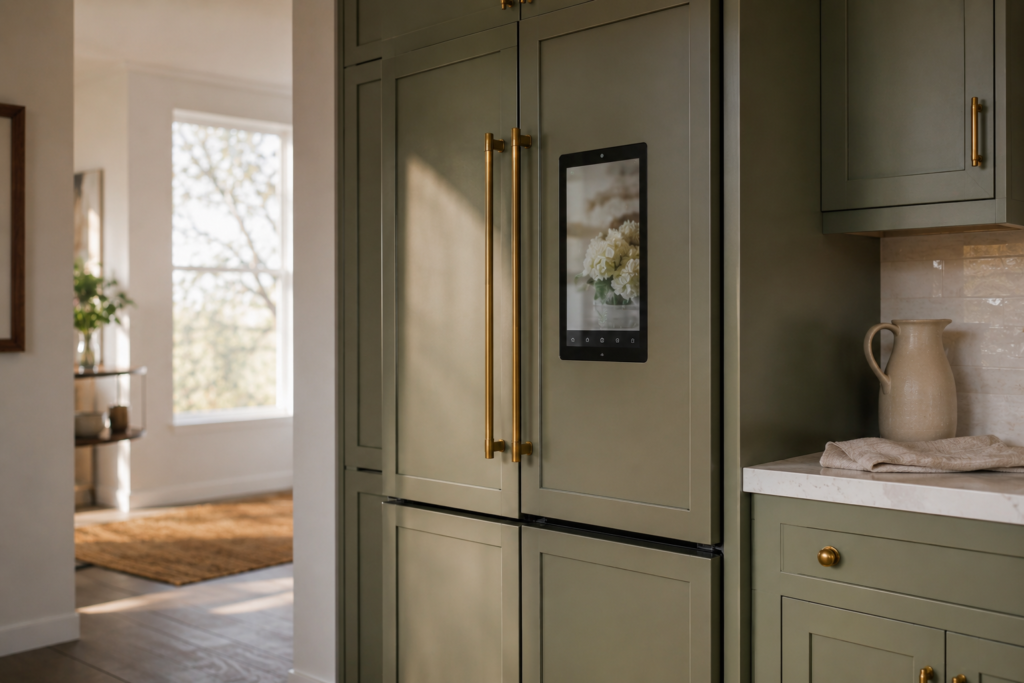
This is where the category really shines. Modern smart fridges, like LG’s camera-equipped models, let you peek inside from the grocery store so you’re not guessing whether you already have eggs. These AI-camera-equipped fridges monitor inventory, reduce waste, and double as home information hubs — which sounds excessive until you’ve avoided buying a third jar of mustard.
GE Appliances has leaned into the “kitchen as a connected ecosystem” approach too, with smart ranges and refrigeration designed to talk to each other and to meal-kit services, so your oven can essentially prep itself for the night’s recipe.
Smart Ovens & Cooktops
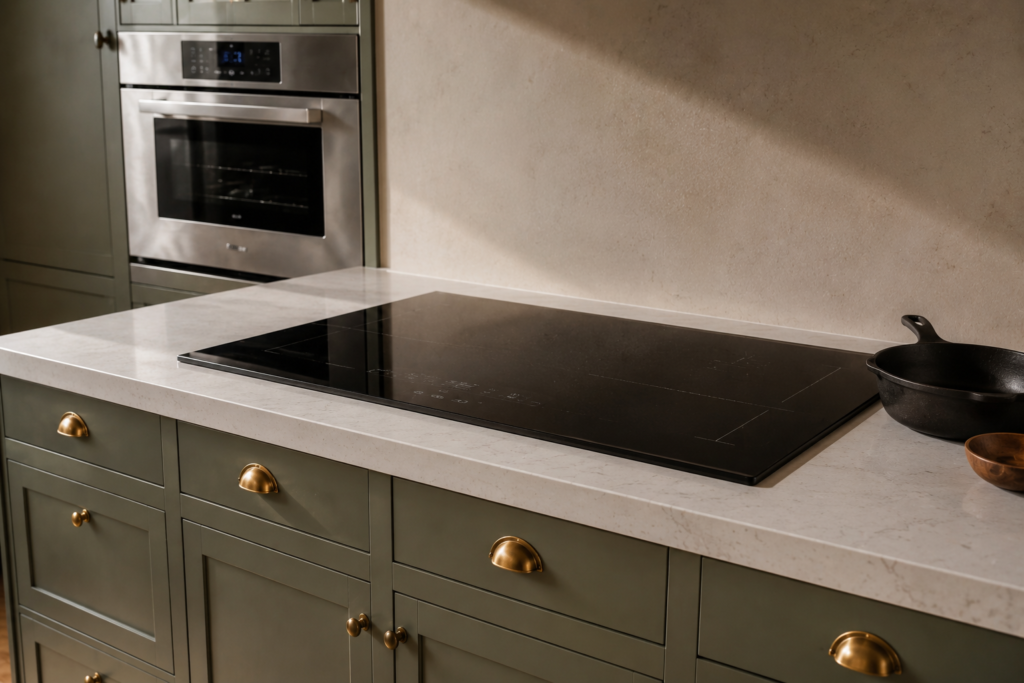
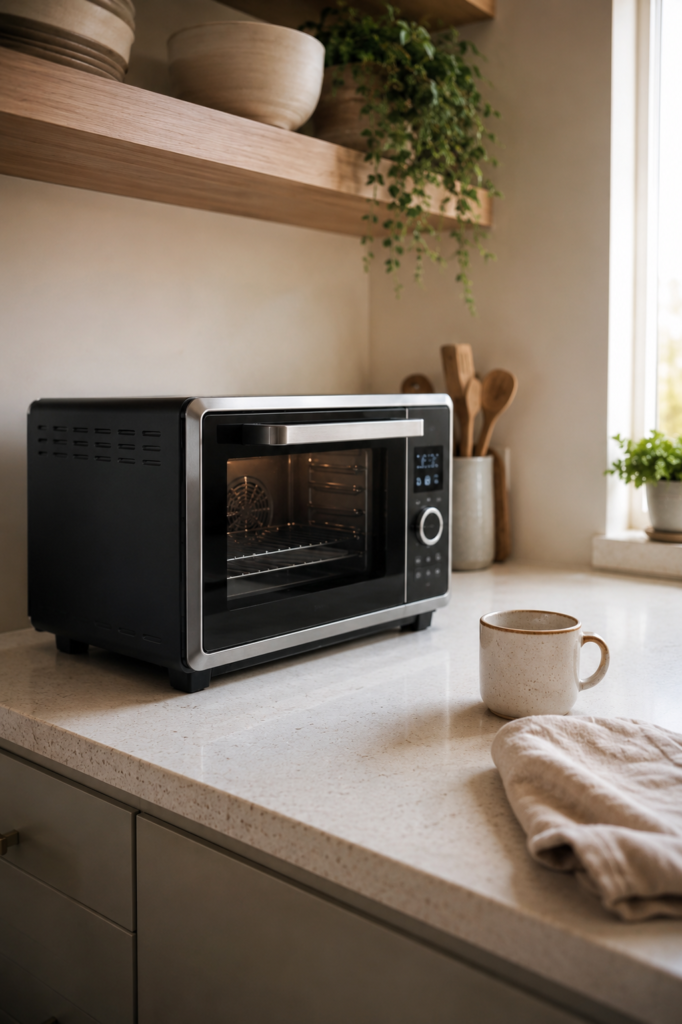
This is the category I’d actually splurge on if I had to pick one. Combi ovens that combine air fryer, convection, and steam functions in one unit save serious counter space and adjust cooking automatically based on AI-driven precision — meaning fewer burnt dinners and fewer dishes.
Smart cooktops and ranges are also having a real moment. The category supports predictive heating, voice control, and remote operation, and is growing at a market rate of around 19.35% per year — that’s not hype, that’s genuine consumer demand.
Smart Dishwashers
Bosch has quietly become the brand people recommend here, with ultra-quiet smart dishwashers featuring advanced sensors and leak detection that you genuinely can’t hear running two rooms over.
Quick Comparison: Smart Kitchen Appliances at a Glance

Before we go deeper, here’s the side-by-side I wish I’d had when I was standing in a showroom trying to compare four different “smart” labels at once.
| Appliance Type | Best Brand(s) | Key Smart Feature | Typical Price Range | Best For |
|---|---|---|---|---|
| Smart Refrigerator | LG, Samsung | AI inventory camera, food-waste tracking | $$ – $$$ | Families who waste groceries |
| Smart Oven / Range | GE Appliances, LG | Remote preheat, built-in cook camera | $$ – $$$$ | Busy cooks, meal-kit users |
| Smart Cooktop | GE, Bosch, Wolf | Predictive heating, voice control | $$$ – $$$$$ | Precision cooks, remodelers |
| Smart Dishwasher | Bosch | Leak detection, near-silent sensors | $$ – $$$ | Open-concept kitchens, apartments |
| Countertop Smart Devices | Breville | Precision controls, app guidance | $ – $$ | Renters, small-kitchen upgraders |
| Luxury Built-In Suite | Sub-Zero, Miele, Gaggenau | Panel-ready integration, 20+ yr durability | $$$$$ | Full remodels, long-term homeowners |
($ = under $500, $$ = $500–1,500, $$$ = $1,500–3,000, $$$$ = $3,000–6,000, $$$$$ = $6,000+ per unit, or full luxury suite pricing as noted further down.)
If you’re just starting your smart-home journey on a tighter budget, it’s worth browsing our best budget smart home devices under $100 roundup before committing to a full appliance upgrade.

- 𝐁𝐞𝐬𝐭 𝐓𝐨𝐚𝐬𝐭𝐞𝐫 𝐎𝐯𝐞𝐧 𝐨𝐟 𝟐𝟎𝟐𝟔 𝐛𝐲 𝐑𝐓𝐈𝐍𝐆𝐒— 𝐑𝐚𝐧𝐤𝐞𝐝 #𝟏 𝐚𝐦𝐨𝐧𝐠 𝐭𝐨𝐚𝐬𝐭𝐞𝐫 𝐨𝐯𝐞𝐧𝐬 𝐭𝐞𝐬𝐭𝐞𝐝. 𝐑𝐓𝐈𝐍𝐆𝐒 𝐜𝐚𝐥𝐥𝐬 𝐢𝐭 “𝐭𝐡𝐞 𝐛𝐞𝐬𝐭 𝐭𝐨𝐚𝐬𝐭𝐞𝐫 𝐨𝐯𝐞𝐧 𝐰𝐞’𝐯𝐞 …
- “𝐓𝐲𝐩𝐡𝐮𝐫 𝐡𝐚𝐬 𝐝𝐞𝐬𝐢𝐠𝐧𝐞𝐝 𝐚 𝐟𝐮𝐭𝐮𝐫𝐞 𝐰𝐡𝐞𝐫𝐞 𝐞𝐯𝐞𝐫𝐲 𝐦𝐞𝐚𝐥 𝐜𝐚𝐧 𝐛𝐞 𝐦𝐚𝐬𝐭𝐞𝐫𝐞𝐝, 𝐚𝐧𝐝 𝐞𝐯𝐞𝐫𝐲 𝐜𝐨𝐨𝐤 𝐜𝐚𝐧 𝐡𝐚𝐯𝐞 𝐭𝐡𝐞 𝐩𝐨𝐰𝐞𝐫 𝐨𝐟 𝐩𝐫𝐞𝐜𝐢𝐬𝐢𝐨𝐧 𝐢𝐧 𝐭𝐡𝐞𝐢𝐫 …
- 𝐖𝐨𝐫𝐥𝐝’𝐬 𝐅𝐢𝐫𝐬𝐭 𝐎𝐯𝐞𝐧 𝐰𝐢𝐭𝐡 𝐁𝐮𝐢𝐥𝐭-𝐢𝐧 𝐖𝐢𝐫𝐞𝐥𝐞𝐬𝐬 𝐏𝐫𝐨𝐛𝐞: Cook with precision at home using the first air fryer oven with a built…
$229.99
Pros, Cons, and the Honest Cost Conversation
Let’s be real for a second — this is the part the glossy brochures skip.
The Genuine Upsides
- Time savings that add up. Properly used, AI-assisted cooking sensors can meaningfully cut hands-on meal prep time because the appliance is adjusting heat and timing instead of you babysitting the stove.
- Lower utility bills. Smart sensors that optimize power based on actual cooking needs can shave a noticeable chunk off monthly energy costs over a year of regular use. Pair that with a few habit changes from our summer energy saving tips and the savings add up even faster.
- Fewer kitchen disasters. Real-time temperature and moisture monitoring in modern smart ovens makes it genuinely harder to overcook or undercook a meal.
The Real Downsides Nobody Advertises
- The premium is real. Smart features routinely add hundreds of dollars to an appliance’s price tag — and that’s before you reach the luxury tier.
- App fatigue. If your fridge, oven, and dishwasher are all from different brands, you may end up juggling three separate apps instead of one unified system.
- Connectivity dependence. Some “smart” functions stop working entirely if your Wi-Fi goes down — worth checking before you buy, not after.
- Longevity is unproven for some brands. Established names with decades of engineering behind them (Miele is the classic example) tend to outlast newer entrants chasing the smart-home trend.
What Should You Actually Budget?
At the everyday end, a single smart oven, fridge, or dishwasher from a mainstream brand like LG, Samsung, GE, or Bosch typically lands in a moderate mid-range appliance bracket — a meaningful step up from a non-smart equivalent, but not outrageous. At the luxury end, things change dramatically: a complete high-end kitchen package from brands like Sub-Zero, Wolf, Miele, Thermador, Monogram, or Gaggenau usually starts around $25,000 and can exceed $100,000 once you factor in integrated refrigeration, pro-style ranges, and ventilation systems.
If you’re stuck between repairing an old appliance and replacing it with a smart one, there’s a useful rule of thumb floating around the design world: if repair costs reach half the price of a new model or more, replacing it tends to be the smarter long-term move rather than sinking money into an aging machine.
Which Brands Are Actually Worth Considering Right Now?
I’m not going to pretend every brand deserves equal airtime, so here’s how I’d bucket them.
Best for Everyday Smart Features (Most Buyers)
LG consistently shows up as a top pick for smart ovens and refrigerators. Their appliances use ThinQ AI technology that learns your preferences over time and integrate cleanly with Google Assistant and Alexa — and LG earns praise for build quality and customer support to back it up.
GE Appliances is the other heavyweight here, particularly for ranges. GE’s smart ranges include built-in oven cameras for remote monitoring and integrate well with meal kit services, which is genuinely handy if you’re someone who cooks from subscription boxes.
Bosch remains the name to beat for dishwashers specifically, thanks to its near-silent operation and leak-detection sensors.
Breville is worth a mention too — it makes premium countertop appliances with smart capabilities and professional-grade precision controls, which is a great entry point if you’re not ready to replace full-size appliances yet.
Best for Long-Term Durability
Miele keeps coming up across every list I researched, and for good reason. It’s widely trusted because its machines are tested to withstand decades of use, and its smart appliances are noted for exceptional durability lasting twenty-plus years. If you hate buying appliances every five years, this is your brand.
Best for a Full Luxury Remodel
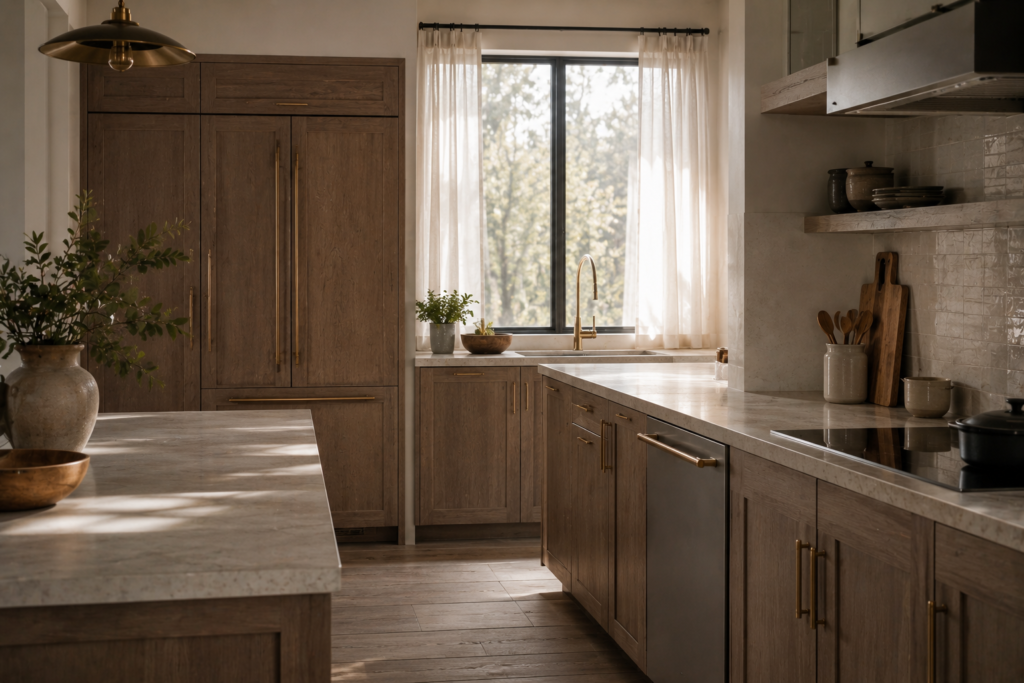
If budget genuinely isn’t the constraint, Sub-Zero and Miele lead the pack for integrated, panel-ready refrigeration and dishwashers thanks to hinge engineering that creates a flush cabinetry fit. Gaggenau takes a more minimalist, almost gallery-like design approach, having pioneered the flush-mount “Zero Clearance” look that high-end kitchen designers love. Wolf, Thermador, and Monogram round out the high-performance tier for ranges and ovens.
Don’t Just Take Brand Marketing at Face Value
If you want a genuinely unbiased read, Consumer Reports runs a statistical model that aggregates lab test scores, predicted reliability, available features, and owner satisfaction data across thousands of tested products to crown a “Best Brand” in each category every year. It’s worth a quick check before you commit to anything, regardless of what a salesperson tells you in-store.
The Design Side: What Colors and Finishes Are Actually In Style for 2026
Here’s a question I get asked almost as often as “which brand should I buy”: what color kitchen appliances will still look good in five years? The honest answer is that the all-stainless-steel era is fading.
Matte whites, soft stainless, graphite, and glass-blend finishes are the dominant trend right now precisely because they pair with almost any décor palette instead of locking you into one aesthetic. Alongside that, seamless, fully built-in appliances with cabinet-panel-ready fronts for fridges, ovens, and dishwashers are maximizing space while creating visual unity in the kitchen — appliances are increasingly designed to disappear rather than stand out.
Designers are also prioritizing quiet operation and seamless integration alongside sustainable features that still feel luxurious — so the “smart” trend and the “quiet luxury” design trend are really converging into one movement: appliances that work hard but stay visually and acoustically out of the way.
How to Avoid a Tech Headache Before You Buy
This is the part most buying guides skip entirely, and it’s the part that will actually save you money and frustration:
- Check for protocol support. Look for Matter, Thread, or Zigbee compatibility if true cross-brand communication matters to you — otherwise you risk ending up with a fridge that can’t talk to your oven.
- Ask whether core functions work offline. Confirm whether basic functions still operate locally during a Wi-Fi outage, since some smart features go completely dark without internet.
- Take advantage of white-glove installation where it’s offered, especially for built-in or panel-ready units — improper installation is the most common cause of early appliance issues.
- Test before you commit wherever possible. Visit a showroom, ask installers for honest feedback, or request a demo unit before locking in a five-figure purchase.
Who Should Actually Buy Smart Kitchen Appliances?
Not every kitchen needs the full smart treatment, and I’d be doing you a disservice if I pretended otherwise. Here’s how I’d break it down honestly:
- Busy families and dual-income households get the most value — inventory-tracking fridges and remote-start ovens directly attack the two biggest time-wasters: grocery overbuying and last-minute dinner scrambles.
- Renters and apartment dwellers should start small. Countertop smart devices from brands like Breville deliver a lot of the convenience without a built-in commitment — and our make-life-easier catalog has some great low-commitment picks to start with.
- Homeowners planning a full remodel are the ideal candidates for built-in, panel-ready luxury suites (Sub-Zero, Miele, Gaggenau) since the smart features and the design integration get baked in at the same time.
- People who rarely cook or eat out most nights honestly don’t need this category yet — a basic, reliable fridge and a normal oven will serve you just as well, and you can redirect that budget elsewhere.
- Tech-cautious buyers worried about privacy or unreliable Wi-Fi should lean toward appliances with strong offline/local functionality rather than ones that lean entirely on cloud features.
Mistakes to Avoid When Buying Smart Kitchen Appliances
I made a couple of these myself, so consider this the “learn from my mistakes” section.
- Buying mismatched ecosystems. Grabbing a Samsung fridge, an LG oven, and a Bosch dishwasher without checking compatibility means three separate apps and zero cross-talk. Check for Matter, Thread, or Zigbee support first.
- Ignoring what happens offline. Some smart functions go completely dark during a Wi-Fi outage. Ask specifically whether core cooking or cooling functions still work locally before you buy.
- Chasing features you’ll never use. AR recipe overlays and built-in cameras sound exciting in the showroom, but if you’re not going to actually use remote monitoring weekly, that premium is wasted money.
- Skipping professional installation. Built-in and panel-ready units especially benefit from white-glove installation — a poorly seated unit is one of the most common causes of early appliance failure.
- Not testing before committing. A showroom demo or a few days with a loaner unit can reveal noise levels, app lag, or interface quirks that no spec sheet will tell you.
- Forgetting the 50/50 rule. If repairing your current appliance costs half (or more) of a replacement’s price, you’re usually better off upgrading rather than patching an aging machine.
Frequently Asked Questions
What’s the difference between a “smart” appliance and a regular one?
A smart appliance connects to Wi-Fi, an app, or a voice assistant to give you remote control, monitoring, or learning behavior. If it can’t do at least one of those three things, it’s not genuinely smart — regardless of what the label says.
Are smart kitchen appliances worth the extra cost?
It depends on whether the feature solves a real weekly annoyance for you. Inventory tracking that stops food waste or remote preheating that saves you ten minutes every night tends to pay for itself. Features you’ll rarely touch usually aren’t worth the premium.
Which brand is best for smart kitchen appliances in 2026?
LG and GE Appliances lead for everyday smart ovens and refrigerators, Bosch is the standout for quiet, sensor-equipped dishwashers, and Miele and Sub-Zero dominate the luxury, long-durability tier.
Do smart appliances still work if my Wi-Fi goes down?
It varies by model. Many basic cooking and cooling functions still work locally, but advanced features like remote control or notifications typically require an internet connection. Always confirm offline behavior before buying.
How much should I budget for a smart kitchen upgrade?
A single mainstream smart appliance (fridge, oven, or dishwasher) typically runs a moderate step up from its non-smart equivalent. A full luxury smart kitchen suite usually starts around $25,000 and can exceed $100,000 depending on brand and customization.
So, Is It Actually Worth It?
Going back to my own fridge meltdown — I ended up buying a mid-range LG with inventory tracking, and a year in, I can say the novelty hasn’t worn off because it solved a real problem: I stopped throwing out forgotten produce, and that alone has more than offset the price difference versus a basic model.
That’s really the test I’d encourage you to apply to anything on this list. Don’t ask “is this smart?” Ask “does this solve something that actually annoys me every week?” If the answer’s yes, the investment tends to pay for itself. If the answer’s “it’s just cool,” save your money for the appliance that genuinely earns a spot in your kitchen.
Final Thoughts and Your Next Step
If there’s one thing I want you to walk away with, it’s this: the smartest purchase isn’t the one with the most features — it’s the one that quietly fixes the thing that’s been bothering you every single week without you even noticing it’s “smart” anymore. That’s the difference between my sister-in-law’s milk notifications (genuinely useful) and a toaster that just lights up blue for no reason (not).
The category itself isn’t going anywhere. Between AI cooking sensors, inventory-tracking fridges, and the shift toward quiet, built-in design, 2026 is shaping up to be the year “smart” stops being a buzzword and starts being the default expectation for new kitchens. The appliances that win long-term are the ones that disappear into your routine instead of demanding attention from it.
So here’s your actual next step: don’t try to “smart-ify” your whole kitchen this weekend. Pick the one appliance causing you the most weekly frustration — the noisy dishwasher, the mystery-leftovers fridge, the oven you can’t trust — and start your research there. Use the comparison table above as your shortlist, double-check compatibility before you buy, and resist the features you know you’ll never actually use.
Have a smart appliance you genuinely love (or one that’s been more headache than help)? Drop it in the comments below — I update this guide regularly based on what real people are actually living with, not just what’s glowing on a showroom floor. And if you’re building out a broader connected kitchen, our make-life-easier catalog is a great next stop.