Make Your Home Smarter, One Step at a Time

Table of Contents
Why is my electric bill so high? You open the app, see the number, and check it twice. Then you scroll back through last month’s bill just to make sure you’re not reading it wrong. We’ve been there. A bill that jumps for no obvious reason is one of the most common — and most frustrating — homeowner mysteries out there.
The good news: a high electric bill almost always has a logical explanation. It’s rarely “bad luck.” It’s usually one (or a combination) of a few usual suspects — and once you know what they are, you can actually do something about them.
In this guide, we’ll walk through what typically drives bills up, why bills sometimes spike suddenly, which appliances are the real energy hogs in your home, what’s going on if you’re in New Jersey specifically, and what’s worth trying first if you want the number to come back down.
Settings saved.
Why Is My Electric Bill So High? What Runs It Up the Most?
Before you can fix a high bill, it helps to know where the energy is actually going. A few categories almost always dominate a home’s electricity use, and they’re often not the ones people assume.
Heating and Cooling Are Usually the Biggest Factor

Your HVAC system — the heating and cooling that keeps your home comfortable — typically accounts for the largest single chunk of a power bill. Air conditioners and electric heaters work hard to fight outdoor temperatures, and that constant cycling adds up fast, especially during extreme weather months.
If your bill spiked right alongside a heat wave or cold snap, this is probably your answer.
Refrigerators Run 24/7 — Even Old, Inefficient Ones
Unlike a TV or a lamp, your fridge never turns off. It’s working around the clock, every single day of the year. A refrigerator that’s more than 10–15 years old, or one with a failing door seal, can quietly use far more electricity than a newer model — and you’d never know just by looking at it.
This is one of those “can a bad refrigerator cause a high electric bill?” questions people search constantly, and the answer is yes. A struggling compressor or a seal that’s lost its grip means the fridge runs longer and harder to maintain the same internal temperature.
What About TVs, Fans, and Lights?
This is where intuition tends to mislead people. Many homeowners assume lights or the TV are the main culprits, but compared to heating, cooling, and major appliances, they’re usually minor players.
- Do lights use a lot of electricity? Traditional incandescent bulbs do add up, but LED bulbs use a fraction of the energy for the same brightness.
- Does TV use a lot of electricity? Modern TVs are fairly efficient, though older or larger models (especially plasma) draw more power.
- Do fans use a lot of electricity? Fans are actually one of the cheapest things to run — they use far less energy than air conditioning, which is why running a fan alongside your AC (instead of cranking the AC alone) can help.
So if you’re wondering what uses more electricity, TV or lights — in most homes, neither one is your real problem. The bigger story is almost always heating, cooling, water heating, and aging appliances.
How to Tell What’s Actually Using the Most Electricity in Your Home
You don’t have to guess. A few approaches can tell you exactly where your energy is going:
- Check your utility’s energy usage dashboard. Many providers now show hourly or daily breakdowns online.
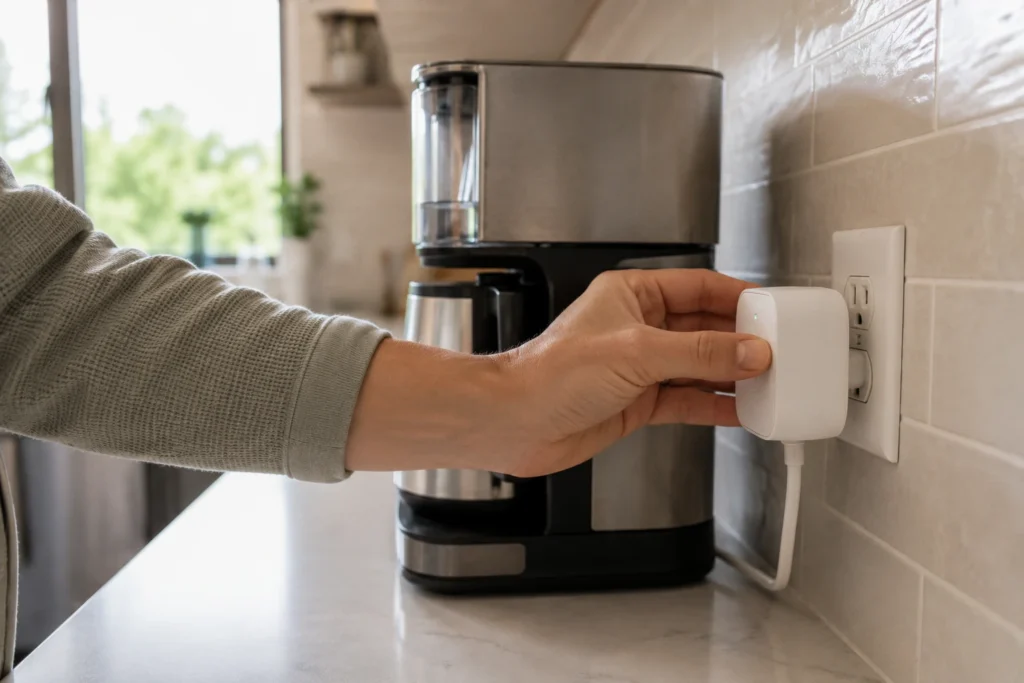
- Use a plug-in energy monitor. These small devices plug between an appliance and the wall outlet and show you exactly how much electricity that one item is using in real time.
- Try a whole-home energy monitor. These connect to your electrical panel and track usage across every circuit, which is especially useful if you want to catch a problem appliance before it shows up as a shocking bill.
We’ve tested a few of these monitors, and the appeal is simple: instead of guessing, you get an actual number next to each device. It takes the mystery out of the bill.
Could Someone Be Stealing Electricity?
It’s a less common cause, but it does happen — particularly in shared housing, duplexes, or older buildings with outdated wiring. Signs to watch for include a meter that keeps spinning even when everything in your home is unplugged, or unexplained usage that doesn’t match any of your own habits. If you genuinely suspect this, your utility company can usually investigate the meter directly.
Why Is My Energy Bill So High All of a Sudden?
A gradual increase over a year is one thing. A sudden spike is a different kind of frustrating, because something clearly changed — you just need to figure out what.
Seasonal Shifts Are the Most Common Explanation
If your bill jumped right as the seasons changed, that’s rarely a coincidence. Air conditioning in the peak of summer or electric heating in the depths of winter can easily double a typical bill, especially in homes with older insulation or single-pane windows.
Can a Bad Breaker or Faulty Thermostat Cause a High Bill?
Yes, and this one surprises people. A malfunctioning thermostat that’s miscalibrated — even by a few degrees — can cause your HVAC system to run far more than necessary to reach the temperature you’ve set. Similarly, electrical issues like a failing breaker can sometimes cause appliances to draw more power than they should, or cause meters to register usage incorrectly.
If your thermostat display and the actual room temperature feel noticeably mismatched, it’s worth having it checked.
How to Check for Electricity Leakage at Home
“Electricity leakage” usually refers to phantom or standby power — energy that’s being drawn even when devices aren’t actively in use. Chargers left plugged in, game consoles in standby mode, and older appliances with always-on displays are common offenders.
A simple test: turn off everything you can, then watch your meter. If it’s still spinning steadily, something is drawing power you didn’t account for.
Does Unplugging Appliances Actually Save Electricity?
It can — modestly. Devices on standby (think: cable boxes, gaming consoles, phone chargers without a phone attached) do draw small amounts of power continuously. Unplugging them won’t transform your bill on its own, but combined with other changes, it adds up over a year. Smart plugs are a popular middle ground here — they let you cut power to devices on a schedule without physically unplugging anything.
What’s a “Normal” Electric Bill, Anyway?
This is genuinely useful context, because “high” is relative to where you live and the size of your home. Average electric bills vary significantly by state due to differences in climate, electricity rates, and home size:
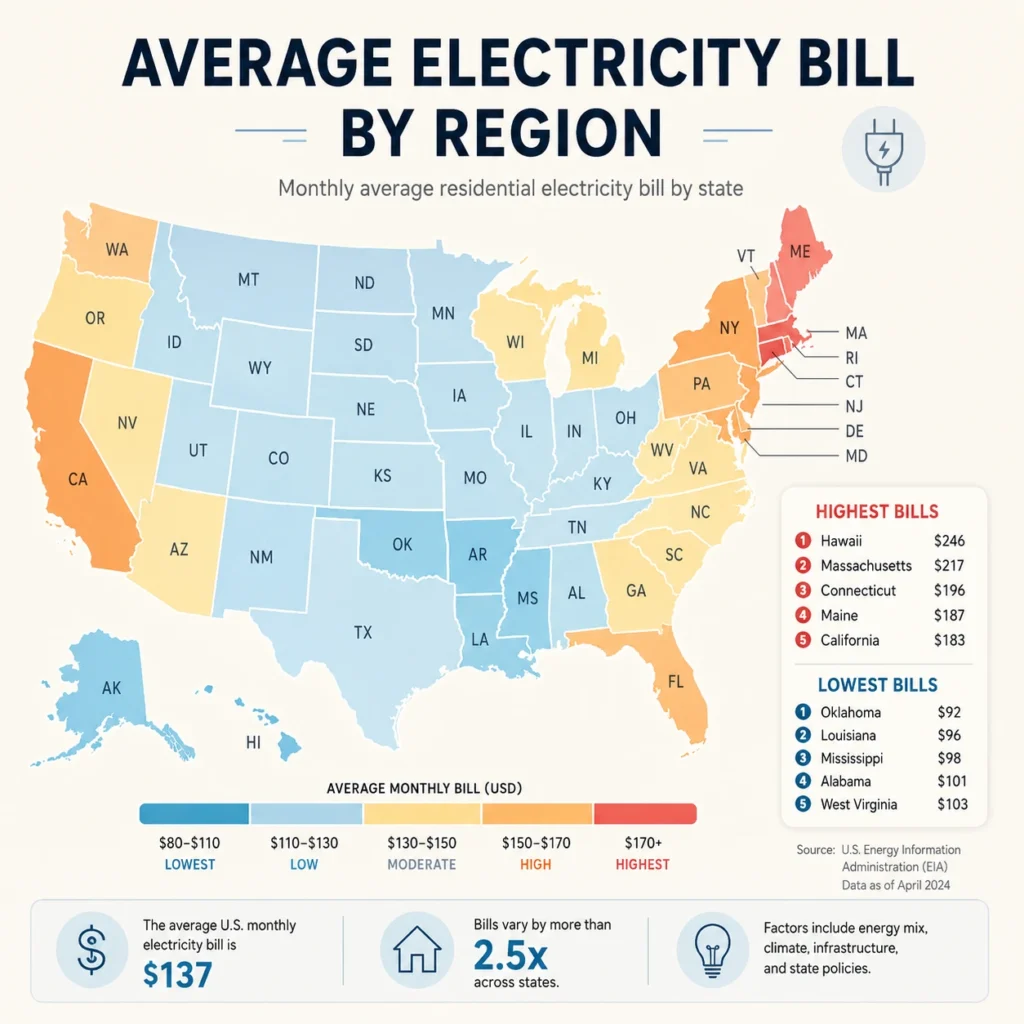
- States with extreme summer heat (like Texas and Florida) tend to have higher average bills due to heavy AC use.
- States with high per-kilowatt-hour rates (like California) can have high bills even with moderate usage.
- Home size matters too — a 3-bedroom house naturally uses more than a studio apartment, regardless of location.
If your bill is high relative to a national average but normal for your specific state and home size, that’s worth knowing before you assume something’s wrong. You can check official state-by-state electricity data directly from the U.S. Energy Information Administration to see how your area compares.
What Uses the Most Electricity in Your House? A Closer Look
Let’s go a layer deeper, because once you know the big categories, the next useful question is: within those categories, what’s really driving the number?
AC vs. Fan: Which Uses More?
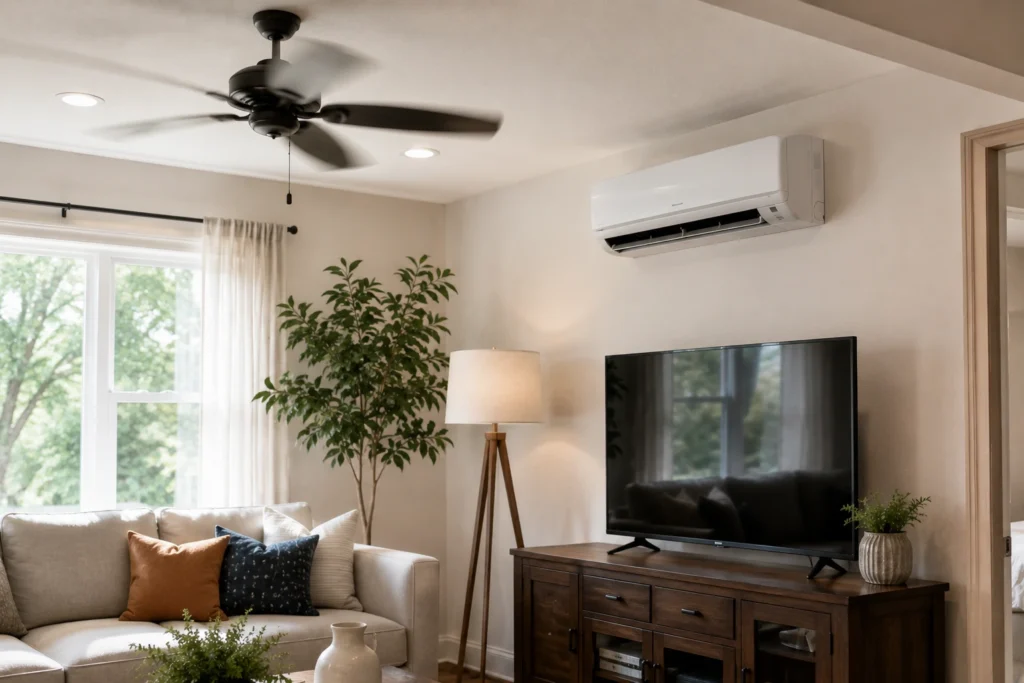
This comparison comes up constantly, and the answer is clear: air conditioning uses dramatically more electricity than a fan. A fan simply moves air around a room — it doesn’t change the temperature, it just makes you feel cooler through airflow. An AC unit, by contrast, is actively removing heat and humidity from the air, which takes far more energy.
The smart middle ground many homes use: ceiling or box fans to circulate air and reduce how hard the AC has to work, rather than choosing one or the other.
What Drains the Most Energy Overall?
Stacking it all together, here’s roughly how household electricity use breaks down in most homes:
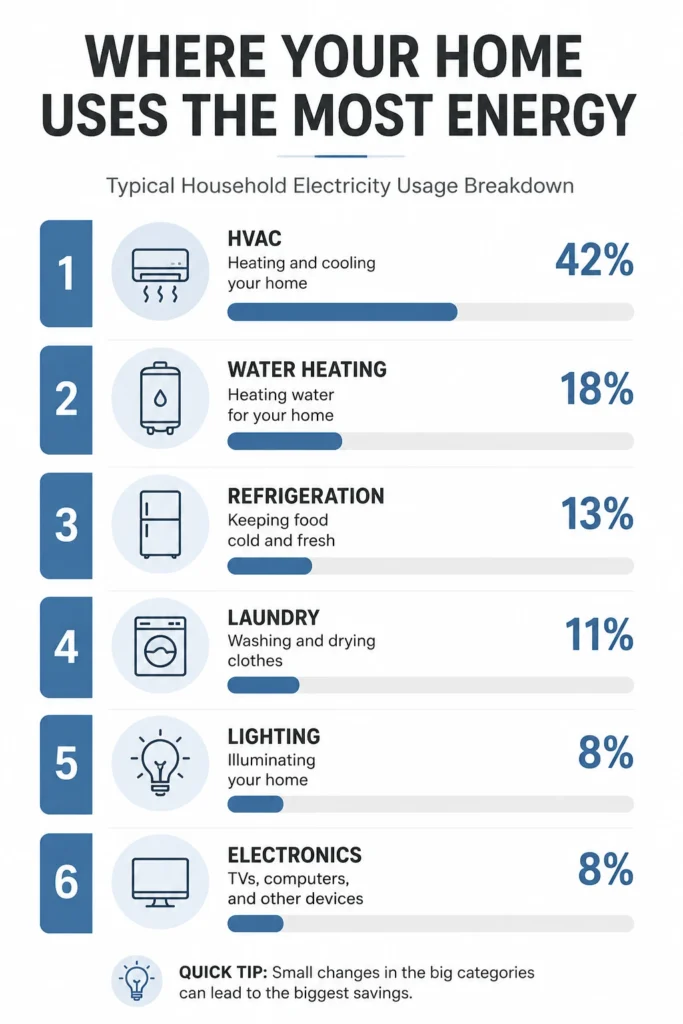
- Heating and cooling (HVAC)
- Water heating
- Refrigeration
- Laundry (washer and especially the dryer)
- Lighting and electronics (lights, TVs, computers)
Notice where lighting and electronics land — last. That’s not to say they’re irrelevant, just that they’re rarely the reason for a genuinely high bill.
Does a Hair Dryer Use a Lot of Electricity?
Compared to running it for a few minutes a day, a hair dryer’s overall monthly impact is small — but it’s a good example of a “high wattage, short duration” appliance. Devices like hair dryers, space heaters, and toasters pull a lot of power in short bursts, while devices like refrigerators pull modest power but constantly. Both matter, just in different ways.
What Is the Average Electric Bill in New Jersey?
If you’re in New Jersey and wondering whether your bill is simply normal for the area, there’s some helpful context here. New Jersey tends to run on the higher side compared to the national average, for a mix of reasons:

- Electricity rates in NJ are generally above the national average, which means even typical usage costs more than it would in a lower-rate state.
- Seasonal extremes — humid summers and cold winters — push both AC and heating use higher for several months of the year.
- Home age and size — many NJ homes are older, and older construction often means less efficient insulation.
New Jersey’s electricity costs follow the same pricing trends affecting utilities nationwide. For a detailed, state-by-state breakdown, the EIA’s Electric Sales, Revenue, and Average Price data confirms why NJ households often pay more per kilowatt-hour than residents elsewhere.
Is Electricity Cheaper at Night in NJ?
Depending on your utility provider and rate plan, some New Jersey households do have access to time-of-use plans, where electricity costs less during off-peak hours (typically overnight). If you haven’t checked your specific plan, it’s worth a quick look — running heavy appliances like the dishwasher or laundry machines during off-peak windows can make a real difference depending on your rate structure.
Choosing a Supplier in New Jersey
New Jersey is a deregulated energy market, meaning residents can often choose their electricity supplier rather than being locked into one default option. Comparing supplier rates is one of the more overlooked ways to lower a bill that has nothing to do with usage habits at all — it’s simply about what you’re being charged per kilowatt-hour.
How to Actually Lower Your Electric Bill
Knowing the cause is half the battle. Here’s what tends to make a real, measurable difference — not just feel-good tips that barely move the number.
1. Get a Smart Thermostat

This is consistently one of the easiest upgrades for noticeable savings. A smart thermostat learns your schedule and automatically adjusts the temperature when you’re away or asleep, instead of running full heating or cooling around the clock. Many users see savings of up to 10–15% on heating and cooling costs, depending on previous habits and home setup. Our seasonal energy-saving guide covers specific setup tips if you want to dig deeper.
2. Add an Energy Monitor
We mentioned these earlier, and they’re worth a second look here. A plug-in or whole-home energy monitor turns guessing into actual data — you’ll know within a day which device is the real offender, instead of assuming it’s the TV when it’s actually an aging water heater.
3. Switch to LED Lighting
If you haven’t made this switch yet, it’s one of the lowest-effort, highest-payoff changes available. LED bulbs use significantly less energy than incandescent bulbs and last far longer, so the savings show up on two fronts — your electric bill and your bulb-replacement budget.
4. Seal Up Drafts
No smart device fixes a leaky window or an uninsulated attic. If your HVAC system is fighting outside air constantly, even the best thermostat can only do so much. Weatherstripping and basic insulation upgrades are inexpensive compared to what they save over a heating or cooling season.
5. Use Smart Plugs for Standby Power
For the chargers, consoles, and gadgets that quietly draw power even when “off,” a smart plug lets you cut power on a schedule — no need to crawl behind furniture to unplug things every night.

If you’re just getting started and want a low-cost way to try a few of these upgrades, our free guide, “Smart Home Gadgets Under $100,” rounds up beginner-friendly picks across these exact categories — you can grab it through the email signup on our homepage.
Why Is My Electric Bill So High? The Bottom Line
A high electric bill almost always traces back to a short list of usual suspects: heating and cooling, an aging refrigerator, water heating, or a sudden seasonal shift — not the lights or the TV most people blame first. The fastest way to stop guessing is to actually measure what’s using power in your home, then target the upgrades that make the biggest dent: a smart thermostat, better insulation, and cutting standby power where it adds up.
None of this requires an overnight overhaul. Start with one change, see how it affects your next bill, and build from there.
Want to go deeper on seasonal strategies? Check out our summer energy-saving guide for more specific, tested tips — or explore our full Energy Saving category for everything we’ve covered on cutting bills without cutting comfort.